
Waterproof Grout Selection and Application
Epoxy versus cement grout — what works best in bathrooms. Learn about waterproof options and application techniques.
Understand ceramic versus porcelain, sizing options, and durability ratings. We'll help you pick tiles that last and look great in a wet environment.
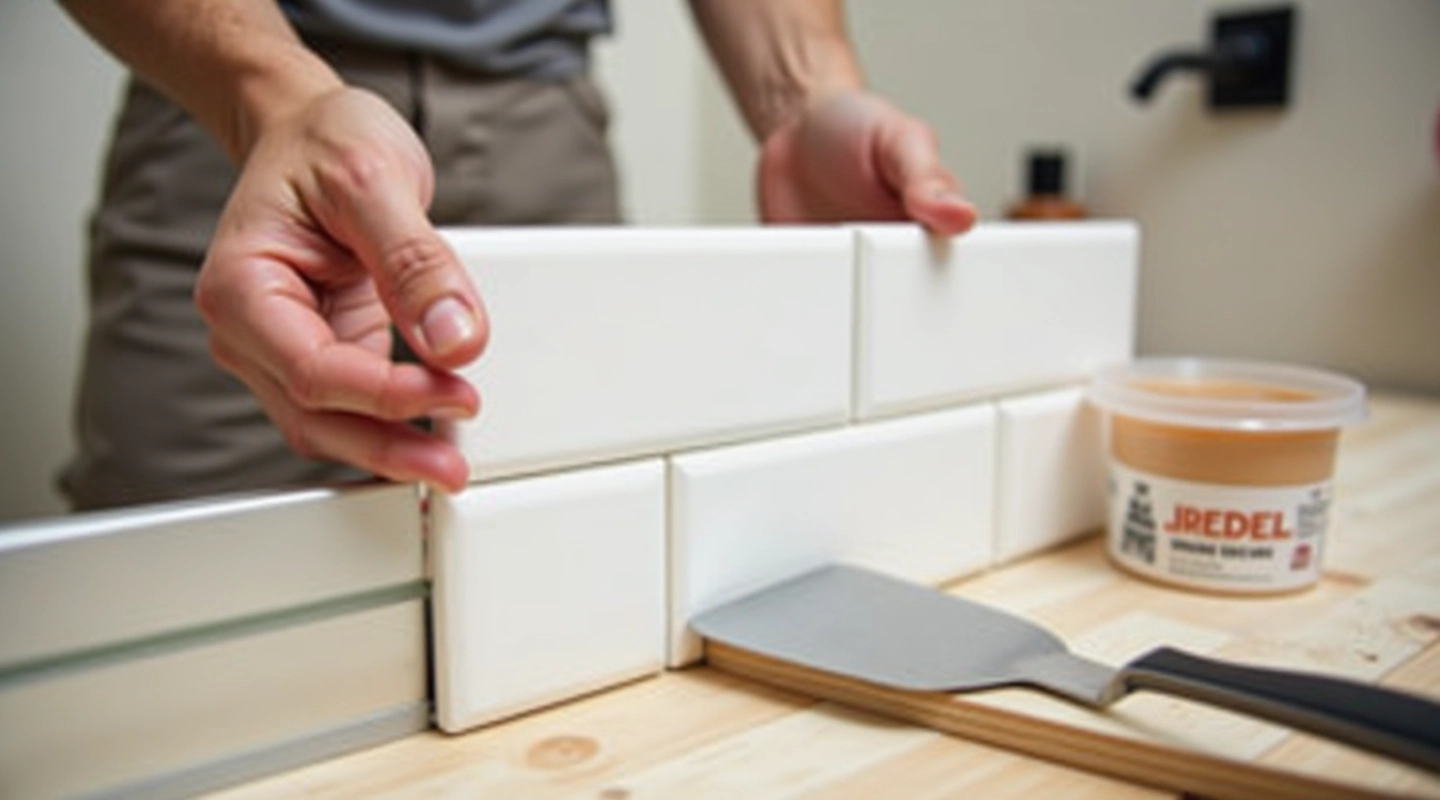
When you're planning a bathroom renovation, tiles are one of your biggest decisions. They'll cover your walls and floors for years, handling constant moisture, temperature changes, and daily wear. That's why it's crucial to understand what you're buying before you commit to 500 square feet of material.
This guide breaks down the main tile types, what makes them different, and how to choose based on your bathroom's specific needs. You'll learn about water absorption rates, slip resistance, durability ratings, and sizing options that actually matter. No fluff — just practical information you can use when you're standing in a tile showroom.

Editorial Team
Written by the kalvoburg Editorial Team, focused on clear, practical bathroom retiling guidance for DIY renovators.
You'll hear these two names constantly in bathroom tile discussions, and people often use them interchangeably. But there are real differences that matter for your bathroom specifically.
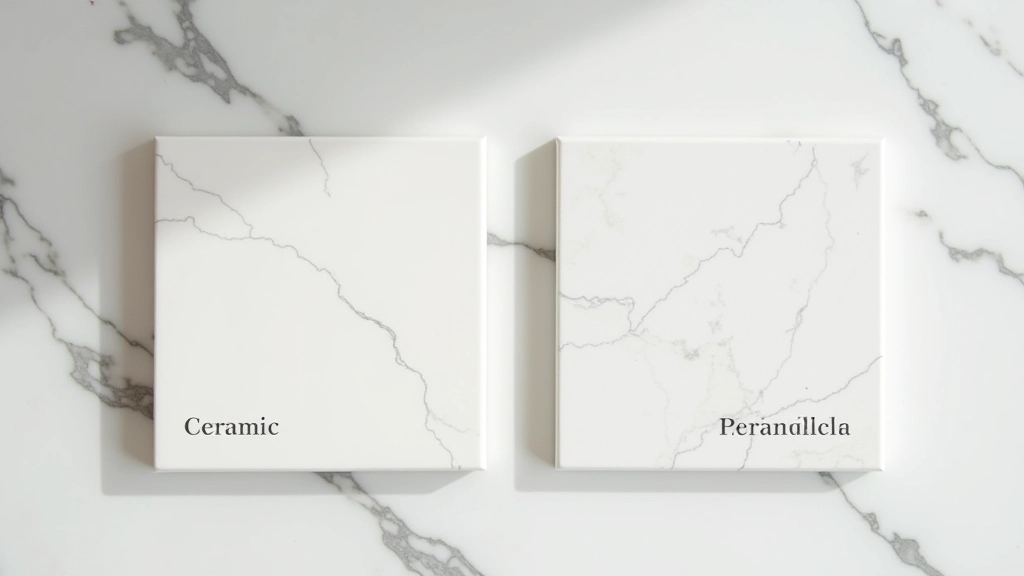
Ceramic tiles are made from clay that's been fired at a lower temperature — around 1,200 degrees Celsius. They're lighter, easier to cut, and generally cheaper. That's the good news. The not-so-good news? They're more porous. They absorb more water, which means they can crack if water gets into them and then freezes. For bathrooms, this becomes a problem over time.
Porcelain tiles go through a longer firing process at much higher temperatures — around 1,450 degrees Celsius or higher. This makes them denser, harder, and significantly less porous. A good porcelain tile will absorb less than 0.5% water, while ceramic can absorb up to 3%. That difference adds up in a bathroom where moisture is constant.
Here's the practical takeaway: Porcelain costs more upfront but lasts longer in bathrooms. If you're tiling walls in a shower or floor near a tub, porcelain's worth the extra money.
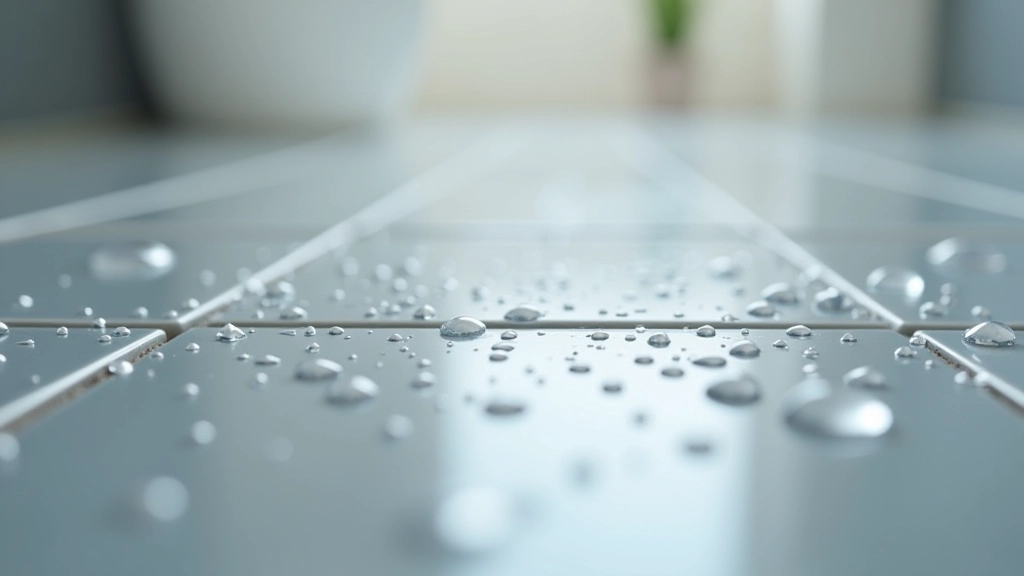
Every tile comes with a water absorption rating — usually listed as a percentage. This number tells you how much water the tile can absorb relative to its dry weight. It's one of the most important specs you'll see, and most people ignore it completely.
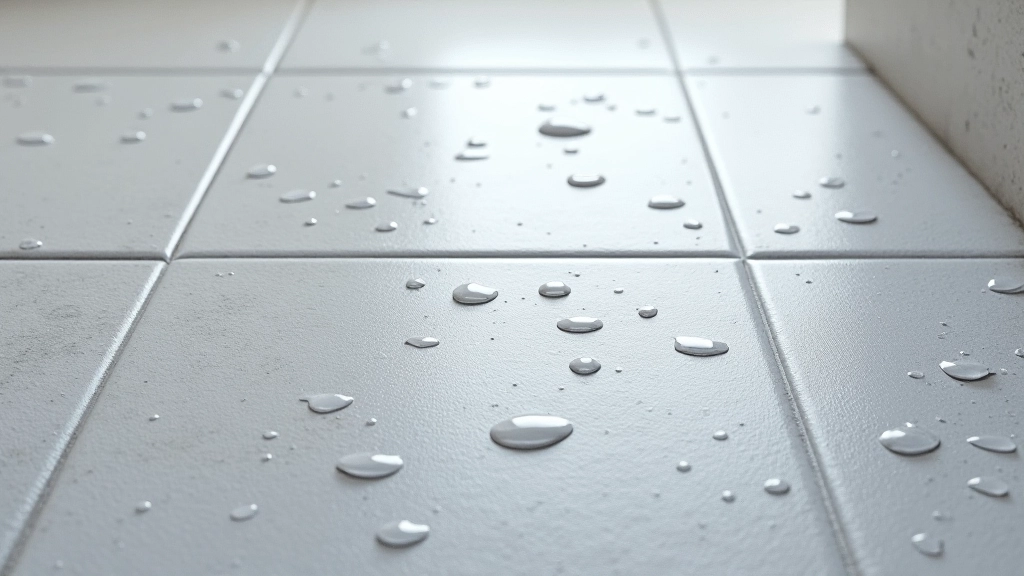
For bathroom floors, you want vitreous or impervious. For shower walls, definitely go impervious if you can. Water absorption matters because water that seeps into tile can freeze in winter, expand, and cause cracking. It also creates a breeding ground for mold inside the tile itself.
This guide provides educational information about tile selection and bathroom renovation. It's designed to help you understand the characteristics of different tiles and make informed choices. Always check local building codes for bathroom installations, consult with a professional tiler if you're unsure about suitability, and test tiles in your specific lighting before purchasing large quantities. Individual bathroom conditions vary, and professional advice is recommended for complex installations.
Tile size isn't just an aesthetic choice — it affects how your bathroom looks, feels, and how difficult installation becomes.
Small tiles (up to 4 inches) are traditional and versatile. They work in tight spaces, around fixtures, and create visual texture. But they require more grout lines, which means more maintenance and more places for water to potentially seep through. A bathroom fully tiled with small mosaics will need more grout maintenance over time.
Medium tiles (6-12 inches) are the practical middle ground. They're large enough to reduce grout line count but small enough to work around most bathroom layouts without excessive cutting. A 12-inch square tile is probably the most common choice for bathroom renovations right now.
Large tiles (18 inches and up) create a clean, modern look with minimal grout lines. They're actually easier to install and cleaner to maintain. The downside? They require a perfectly flat substrate — any dips in your wall or floor become obvious. They're also harder to cut and work around plumbing fixtures. If you've got slightly uneven walls, stick with medium or small tiles.
Tile durability is measured by the PEI (Porcelain Enamel Institute) wear rating, which goes from 1 to 5. This rating tells you how resistant the tile is to scratching and wear.
For bathroom floors, you want at least a PEI 3, ideally a 4. Bathroom walls don't get the same wear, so PEI 2 is usually fine. A low-rated tile in a bathroom floor will start looking dull and scratched within a couple of years from normal use and cleaning.
Slip resistance is equally important, especially for bathroom floors. Look for the COF (Coefficient of Friction) rating. You want a COF of at least 0.50 for areas that get wet — showers, bathtub surrounds, and floors near water sources. Many polished tiles are beautiful but dangerously slippery when wet. Textured or matte-finish tiles perform much better underfoot in a bathroom.
Here's a practical tip: walk on the showroom samples if you can. If your shoe slides easily on the dry tile, it'll definitely be a problem when wet. Don't just buy based on how they look in the catalog.
Take home actual tile samples, not just pictures. Look at them in your bathroom's natural light at different times of day. Colors shift dramatically depending on lighting conditions.
Always buy 10-15% more than you calculate. You'll break some during installation, and if you need repairs later, batch numbers change and colors shift.
Not all grouts work with all tiles. Ask the supplier which grout they recommend for your specific tile and substrate. Epoxy grout is better for wet areas but harder to work with.
Light-colored grout looks clean but shows stains. Dark grout hides dirt better. Matte tiles need more cleaning than polished ones but are safer underfoot.
Work with your installer to plan where cuts happen. Avoid tiny slivers at edges. A good layout plan makes the difference between a professional-looking installation and an amateur one.
The tile is only half the story. Proper substrate preparation — ensuring flat, dry surfaces — costs money but prevents problems. Don't cheap out on the foundation.
Ready for the next steps? Explore these related guides.
Epoxy versus cement grout — what works best in bathrooms. Learn about waterproof options and application techniques.
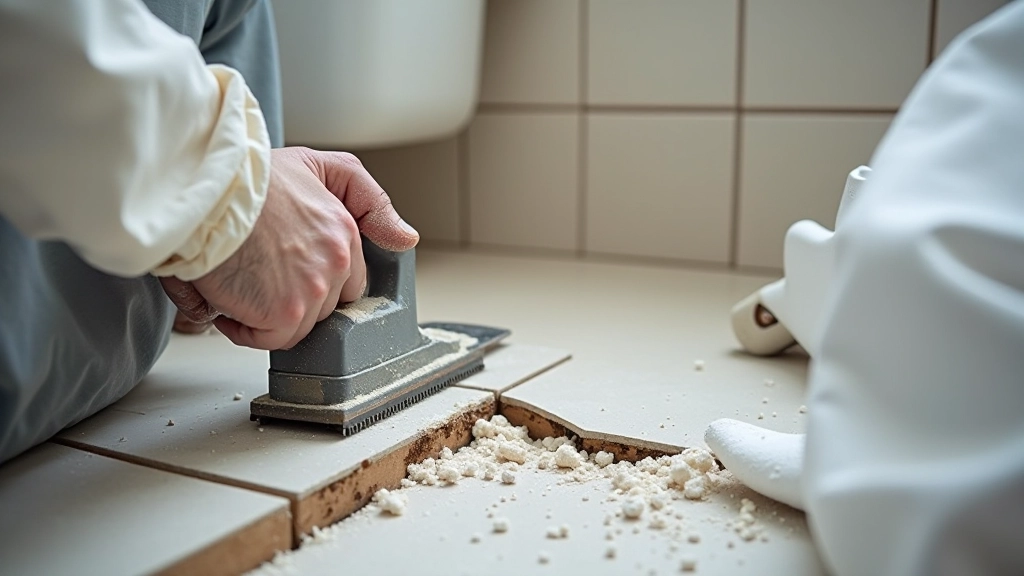
Step-by-step breakdown of safely removing existing tiles without damaging the underlying wall or floor structure.
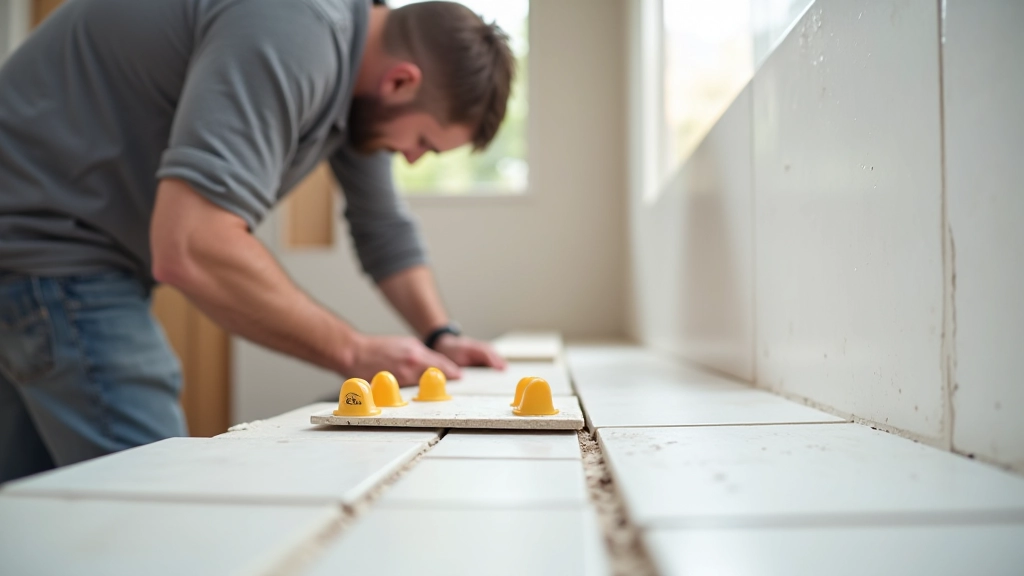
Proper substrate preparation, mortar mixing, and tile placement. We'll walk through the installation process step by step.
Choosing bathroom tiles isn't complicated once you understand what matters. Porcelain over ceramic for durability. Water absorption ratings under 0.5% for wet areas. Medium-sized tiles for practical installation. Textured finishes for safety. Buy 15% extra and plan your layout carefully.
Don't get overwhelmed by showroom options. You're not looking for the perfect tile — you're looking for a tile that performs well in a bathroom, looks good to you, and fits your budget. That combination exists. It's usually not the most expensive option or the cheapest one.
The real investment in a bathroom renovation isn't the tiles themselves — it's getting the substrate right and the installation done properly. A great tile installed poorly will disappoint you. An average tile installed well will serve you for decades.